
|
Getting your Trinity Audio player ready...
|
- Jerome Powell officially ended his second term as Federal Reserve chair on May 15.
- Sticky U.S. inflation is reducing expectations for near-term interest rate cuts.
- Bitcoin’s next major rally may depend on lower inflation and improved liquidity conditions.
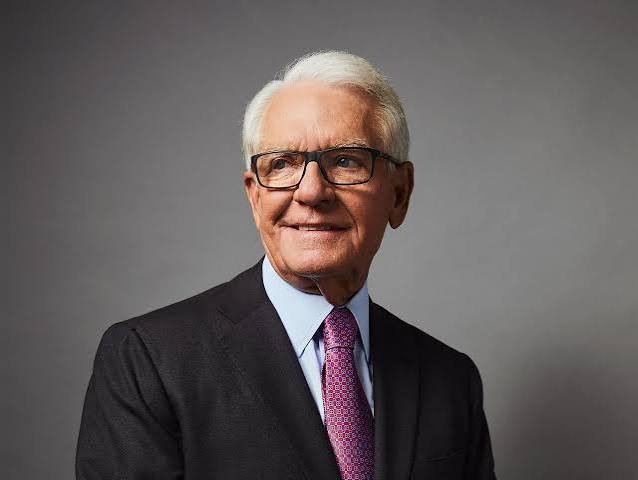
Jerome Powell’s second term as chair of the Federal Reserve officially ended on May 15, closing a turbulent chapter marked by aggressive inflation battles, political pressure, and market volatility. While Powell will temporarily remain in the role until incoming chair Kevin Warsh is formally sworn in, investors are already looking ahead to what the leadership change could mean for Bitcoin and broader financial markets.
Powell will also continue serving on the Fed’s Board of Governors through January 2028, preserving some continuity during a sensitive economic period.
Trump-Powell Clash Leaves Markets on Edge
Powell’s final months as Fed chair were dominated by mounting criticism from President Donald Trump, who repeatedly argued that the central bank moved too slowly on interest rate cuts.
Powell, however, maintained a data-focused approach throughout his tenure. His comments and policy decisions consistently moved global markets, influencing stocks, Treasury yields, the U.S. dollar, and cryptocurrencies.
That cautious stance now leaves Warsh stepping into one of the most difficult macroeconomic environments in years. Inflation remains stubbornly high, while tensions in West Asia continue to push energy prices upward, creating additional uncertainty for risk assets like Bitcoin.
Sticky Inflation Clouds Bitcoin’s Next Move
Recent inflation data has complicated hopes for near-term monetary easing. The April U.S. Consumer Price Index rose 3.8% year-over-year, above market expectations of 3.7%, while monthly inflation increased 0.4%.

Analysts at Coinbase warned that elevated inflation could delay the next major crypto rally despite ongoing investor interest in digital assets.
According to the exchange’s research team, stronger upside for Bitcoin may require either cooling inflation or improved liquidity conditions. Markets are now increasingly expecting the Fed to keep rates unchanged at its next meeting in mid-June — likely the first policy decision overseen by Warsh.
Meanwhile, Tom Lee cautioned that rising bond yields could create further headwinds for risk markets later this year.
Can Bitcoin Withstand Another Fed Pause?
Bitcoin has historically reacted strongly to changes in liquidity and interest rate expectations. Lower rates tend to boost appetite for speculative assets, while persistent inflation and high yields often pressure crypto prices.
Also Read: Strategy May Sell Bitcoin? MSTR Stock Crashes After $1.5B Debt Buyback Plan
Investors are also closely watching whether Congress advances the proposed CLARITY Act, which some analysts believe could improve regulatory confidence around digital assets.
For now, the crypto market remains caught between optimism over long-term adoption and concern over tightening financial conditions. With Powell stepping aside and Warsh preparing to take control, the next few months could prove critical for Bitcoin’s direction.
Disclaimer: The information in this article is for general purposes only and does not constitute financial advice. The author’s views are personal and may not reflect the views of Chain Affairs. Before making any investment decisions, you should always conduct your own research. Chain Affairs is not responsible for any financial losses.

I’m a crypto enthusiast with a background in finance. I’m fascinated by the potential of crypto to disrupt traditional financial systems. I’m always on the lookout for new and innovative projects in the space. I believe that crypto has the potential to create a more equitable and inclusive financial system.