
|
Getting your Trinity Audio player ready...
|
- Australia is considering integrating tokenized money into its A2A payment systems.
- Stablecoins and tokenized assets could reshape settlement and transaction models.
- Interoperability and regulation remain key challenges for adoption.
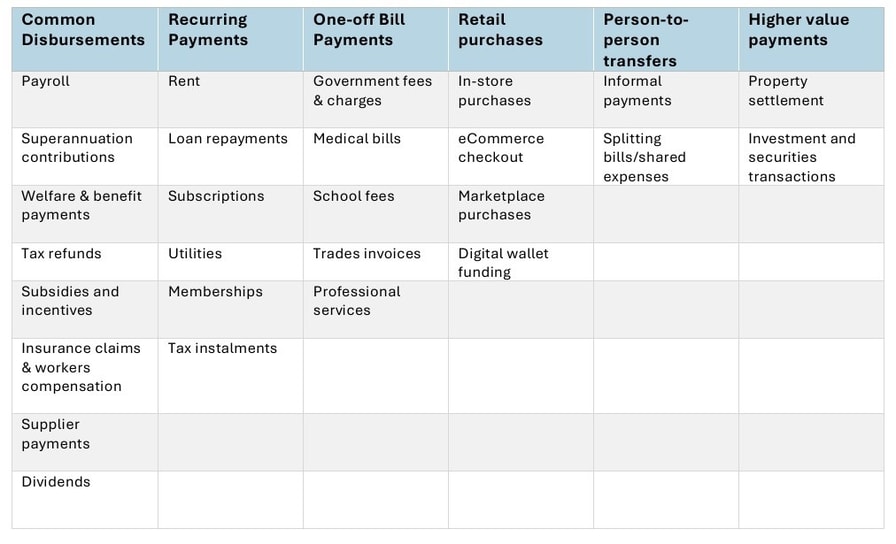
Australia is preparing its domestic payment infrastructure for a future where digital assets play a larger role. A new draft vision for account-to-account (A2A) payments suggests that tokenized money — including stablecoins and tokenized bank liabilities — could reshape how value moves across the financial system.
The proposal, developed by a roundtable involving Reserve Bank of Australia, Australian Payments Plus, AusPayNet, and the Commonwealth Treasury, highlights digital assets as a growing force that payment systems must account for.
Tokenized Money Moves Toward Mainstream Adoption
The draft notes that tokenized forms of money are shifting from early experimentation to real-world use. These digital representations of value operate on distributed ledgers, allowing for programmable transactions, near-instant settlement, and always-on availability.
This evolution could fundamentally change how payments are processed. Instead of relying solely on traditional banking rails, tokenized systems enable automated execution of transactions and new financial applications. For A2A payment networks, this means adapting to a hybrid environment where both conventional account balances and tokenized assets coexist.
Interoperability Becomes a Key Challenge
A central theme in the consultation is the need for interoperability. Future A2A systems may need to bridge the gap between account-based money and tokenized fiat equivalents, ensuring funds can move securely between both systems.
Maintaining trust, reliability, and regulatory compliance will be critical. The draft warns that while tokenization introduces efficiency, it also brings new complexities around accountability, liability, and data governance.
As a result, payment infrastructure must evolve carefully, balancing innovation with stability — a priority for regulators and financial institutions alike.
Australia Pushes Ahead With Tokenization Initiatives
Australia is already exploring these changes through initiatives like Project Acacia, led by the Reserve Bank of Australia in partnership with the Digital Finance Cooperative Research Centre. The project examines how tokenized assets can be settled using tools such as stablecoins, bank-issued tokens, and even a pilot wholesale central bank digital currency (CBDC).
Officials have emphasized the need to move beyond isolated pilots toward more integrated testing environments. This next phase will focus on how tokenized systems interact with existing settlement infrastructure and how policies should evolve alongside them.
Also Read: Coinbase vs KuCoin: Who Really Won Australia’s Crypto Derivatives Race?
At the same time, the government is working to bring digital asset platforms under formal regulation, including licensing requirements for tokenized custody services.
Australia’s latest A2A payments vision signals a clear shift: tokenized money is no longer a fringe concept but a factor in mainstream financial planning. While challenges remain, particularly around interoperability and risk management, the direction is clear. As adoption grows, the ability to integrate traditional and tokenized systems could define the next era of payments innovation.
Disclaimer: The information in this article is for general purposes only and does not constitute financial advice. The author’s views are personal and may not reflect the views of Chain Affairs. Before making any investment decisions, you should always conduct your own research. Chain Affairs is not responsible for any financial losses.

I’m your translator between the financial Old World and the new frontier of crypto. After a career demystifying economics and markets, I enjoy elucidating crypto – from investment risks to earth-shaking potential. Let’s explore!