|
Getting your Trinity Audio player ready...
|
- Russia legally classifies cryptocurrency as property for the first time.
- Domestic crypto payments remain banned, but cross-border use is allowed.
- Strict rules introduced for exchanges, investors, and mining operations.
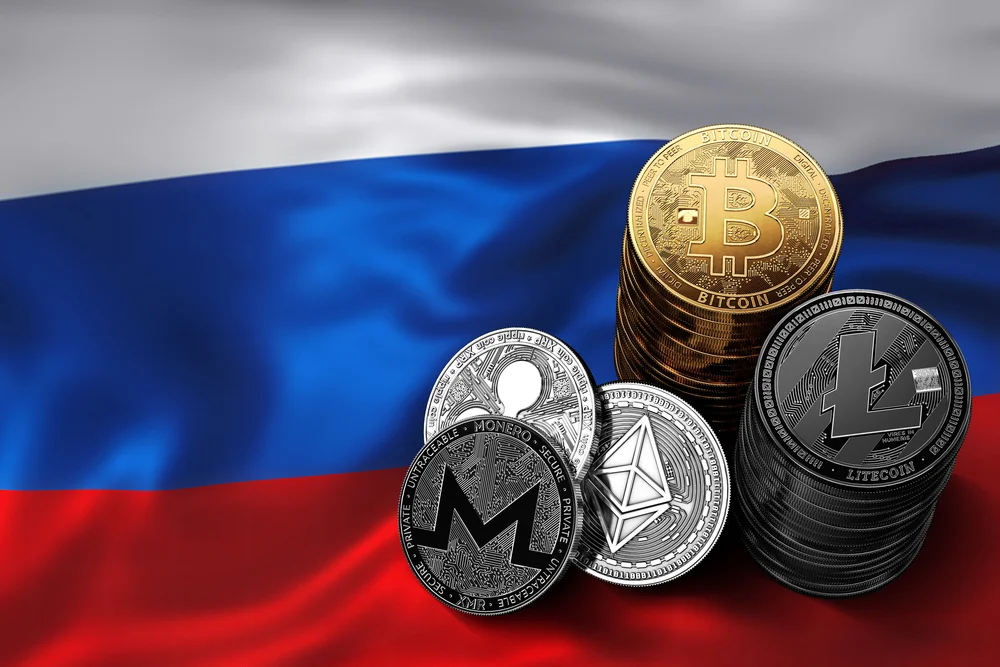
Russia has taken a major step toward formalizing its crypto sector after the State Duma approved the first reading of a landmark bill that classifies cryptocurrencies as property under national law. The legislation, titled “On Digital Currency and Digital Rights,” signals a cautious but structured shift in how the country approaches digital assets such as Bitcoin and Ethereum.
Crypto Gains Legal Status as Property in Russia
The newly approved bill officially recognizes cryptocurrencies as property, giving them a clearer legal standing for the first time in Russia. While this does not make crypto legal tender, it provides a foundation for ownership rights, taxation frameworks, and regulated usage.
Under the proposal, digital assets will be allowed for cross-border payments and international trade settlements. However, their use within Russia remains heavily restricted. Crypto cannot be used to pay for everyday goods, services, or salaries, reinforcing the ruble as the country’s only legal domestic currency.
This dual approach reflects Russia’s attempt to balance innovation with monetary control, opening limited doors to digital finance while maintaining strict internal safeguards.
Tight Control Over Exchanges, Investors, and Mining
A key feature of the bill is the strong oversight role assigned to the Bank of Russia. The central bank will be responsible for licensing crypto exchanges and brokers, setting operational rules, and monitoring all related activity.
The legislation also introduces a two-tier investor system. Qualified investors will have broader access to crypto markets, while non-qualified investors face annual limits of roughly $3,900 to $4,000 in exposure. This structure is designed to reduce risk for retail participants in a highly volatile market.
Crypto mining is also legalized under the bill, but with conditions. Operators must register their equipment and comply with state monitoring requirements, allowing authorities to better track energy use and mining activity across the country.
Also Read: Russia Cracks Down on Crypto: New Law Caps Retail Trading at $3,700 — What It Means
What Comes Next for Russia’s Crypto Framework
If the bill completes its legislative journey, it is expected to take effect on July 1, 2026, with some provisions rolling out later. This phased timeline gives regulators time to build infrastructure and refine oversight mechanisms.
With more than 20 million crypto users, Russia is shifting from an informal market toward a controlled digital asset ecosystem. The move highlights a broader global trend: governments seeking to integrate crypto into financial systems without losing regulatory authority.
Disclaimer: The information in this article is for general purposes only and does not constitute financial advice. The author’s views are personal and may not reflect the views of Chain Affairs. Before making any investment decisions, you should always conduct your own research. Chain Affairs is not responsible for any financial losses.

I’m your translator between the financial Old World and the new frontier of crypto. After a career demystifying economics and markets, I enjoy elucidating crypto – from investment risks to earth-shaking potential. Let’s explore!