|
Getting your Trinity Audio player ready...
|
- New York alleges Coinbase’s prediction markets violate gambling laws.
- COIN stock dropped sharply following the lawsuit announcement.
- Broader regulatory pressure could reshape the future of prediction markets.
New York’s top legal office has intensified scrutiny of the crypto sector, filing a lawsuit against Coinbase over its prediction markets business. The move, led by Attorney General Letitia James, has already rattled investors, sending COIN stock lower and reigniting debate around whether prediction markets fall under gambling laws.
The case marks one of the most direct state-level challenges to crypto-based prediction platforms, which have grown rapidly in recent months.
Allegations: Illegal Gambling and Licensing Violations
According to the complaint, New York alleges that Coinbase — alongside Gemini — has been operating prediction markets without the required state licenses. Regulators argue that these platforms allow users to place bets on outcomes such as sports events and elections, which the state considers a form of gambling.
James contends that these markets meet the legal definition of games of chance, where participants have no control over outcomes. She also claims that individuals aged 18 to 20 were able to access these services, despite state rules setting 21 as the minimum age for mobile sports betting.
The lawsuit seeks significant penalties, including fines, restitution, and a permanent halt to certain operations. It also requests court orders to block underage participation and restrict marketing efforts, particularly those targeting college campuses.
Market Reaction: COIN Stock Slides
Investor sentiment shifted quickly following the news. Shares of Coinbase dropped sharply, falling more than 6% intraday to around $196, according to TradingView data. The stock is now down roughly 13% year-to-date, reflecting broader concerns about regulatory risks facing the crypto industry.
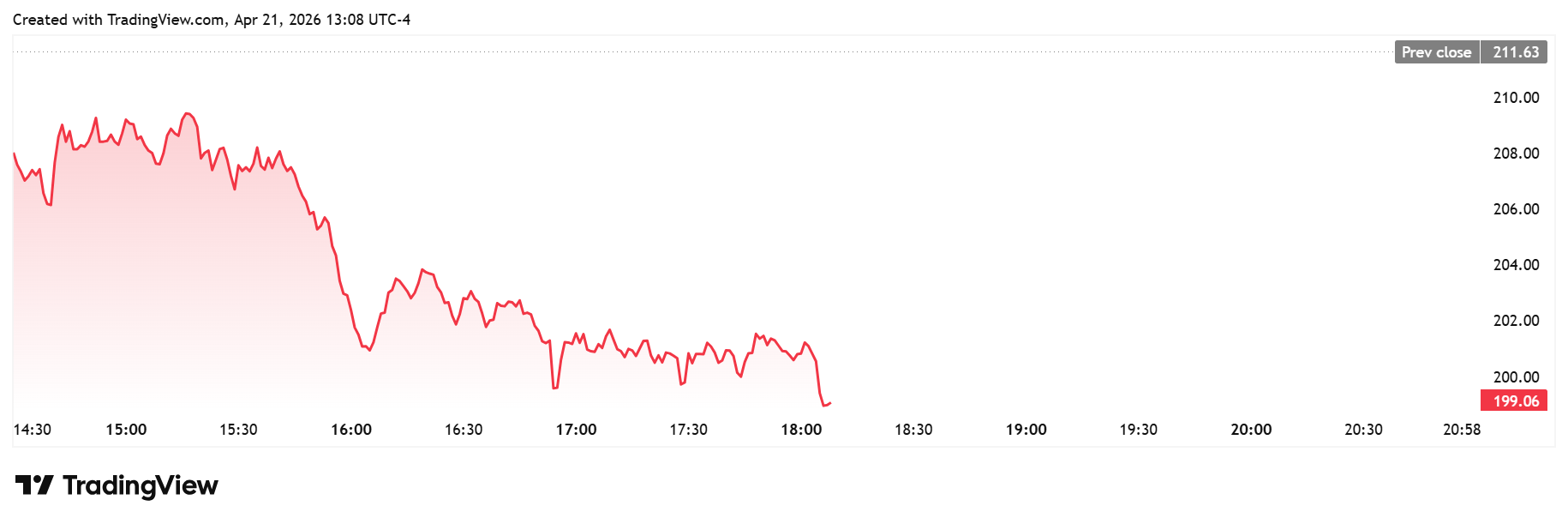
The decline highlights how sensitive crypto-related equities remain to legal developments, especially in major jurisdictions like New York.
Wider Crackdown Looms on Prediction Platforms
Legal analysts suggest that Coinbase may not be alone for long. Experts point to Kalshi as a potential next target, depending on the outcome of ongoing court proceedings tied to federal jurisdiction questions.
At the same time, the Commodity Futures Trading Commission has been involved in parallel legal battles, aiming to assert its authority over prediction markets nationwide. This overlapping oversight has created uncertainty for companies operating in the space.
Despite mounting pressure, the industry is pushing back. Data from Bloomberg shows that prediction market firms have significantly increased lobbying efforts, signaling a coordinated push for clearer regulations rather than outright bans.
Also Read: Coinbase vs KuCoin: Who Really Won Australia’s Crypto Derivatives Race?
The lawsuit against Coinbase underscores a critical turning point for prediction markets in the United States. As regulators draw firmer lines between financial innovation and gambling, companies in the space face mounting legal and operational challenges.
How courts rule in this case — and others that may follow — could shape the future of prediction markets, determining whether they evolve into regulated financial tools or face tighter restrictions across key markets.
Disclaimer: The information in this article is for general purposes only and does not constitute financial advice. The author’s views are personal and may not reflect the views of Chain Affairs. Before making any investment decisions, you should always conduct your own research. Chain Affairs is not responsible for any financial losses.

I’m your translator between the financial Old World and the new frontier of crypto. After a career demystifying economics and markets, I enjoy elucidating crypto – from investment risks to earth-shaking potential. Let’s explore!