
|
Getting your Trinity Audio player ready...
|
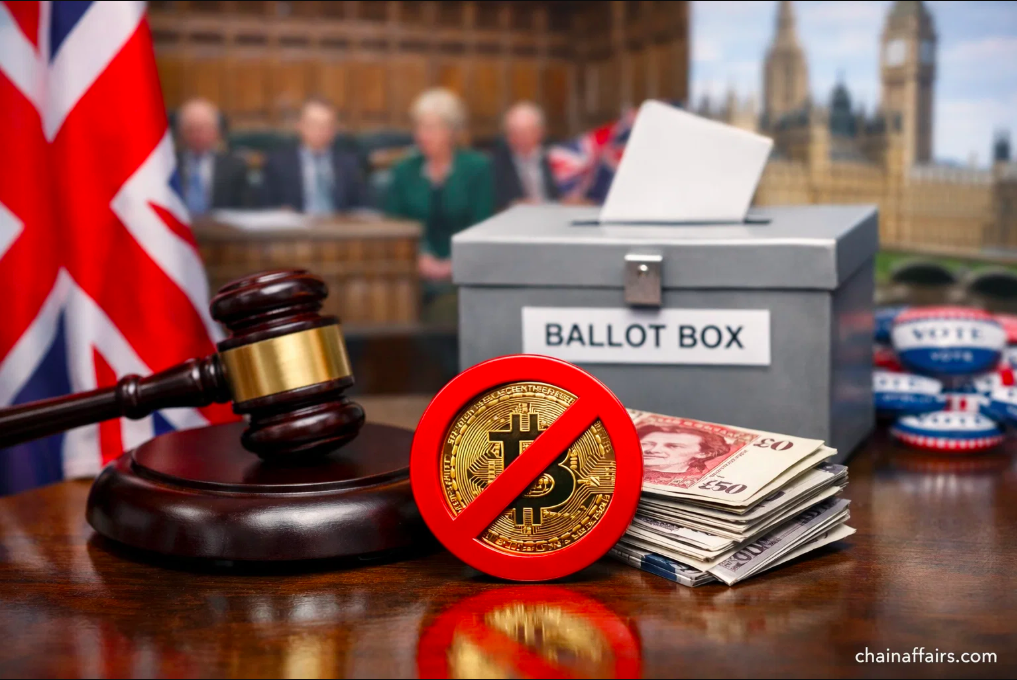
The UK government is taking direct aim at cryptocurrency in politics, announcing plans for a moratorium on crypto donations to political parties amid growing concerns about foreign interference in British democracy.
What Sparked the Move
The push didn’t come out of nowhere. An independent inquiry — the Rycroft Review — specifically flagged the risk of foreign states exploiting untraceable cryptocurrency payments to meddle in UK elections. The review recommended a temporary halt on all political crypto donations, and Prime Minister Keir Starmer didn’t waste time signaling his support.
During Prime Minister’s Questions on Wednesday, Starmer told Parliament the government would move decisively. Several senior MPs, including the chair of the security committee, had already been pressing for an outright permanent ban, warning that crypto’s pseudonymous nature creates an open door for overseas influence.
How the Ban Would Actually Work
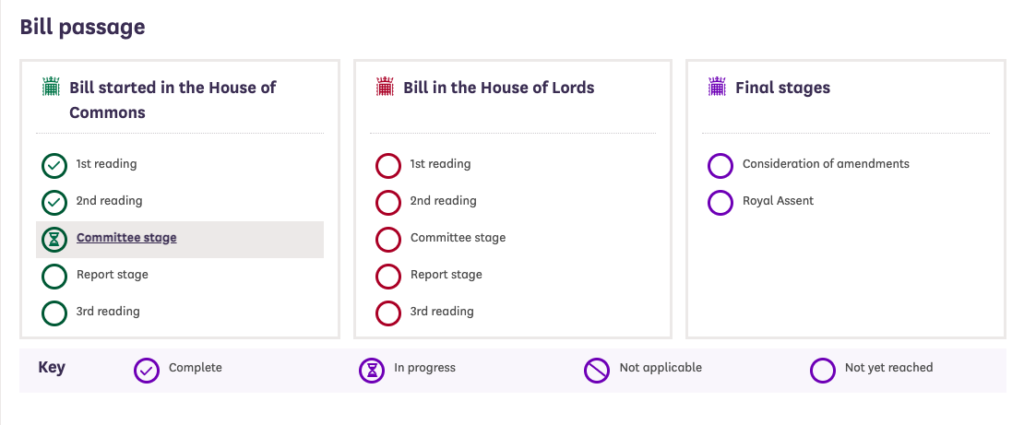
The moratorium wouldn’t take effect automatically. The government’s plan requires amending the Representation of the People Bill, which is currently working through the committee stage in the House of Commons. It must clear both chambers of Parliament and receive royal assent from King Charles III before becoming law.
Notably, the government says the changes would carry retrospective effect from March 25 — meaning donations made in the short window before the law passes wouldn’t escape scrutiny. Once enacted, political parties, candidates, and MPs would have 30 days to return any crypto donations received in the interim, after which enforcement kicks in.
Also Read: IOTA CEO Eyes $30 Trillion Trade Market as Foundation Pushes USDT Integration
The ban won’t be a short-term inconvenience either. Crypto donations will remain prohibited until both Parliament and the Electoral Commission are satisfied that regulations are robust enough to guarantee transparency and confidence. With the next UK general election due no later than August 2029, the clock is ticking for any party hoping to use digital assets as a fundraising tool.
One Party Already Had Skin in the Game
Reform UK became the first British political party to accept cryptocurrency donations back in May 2024, with Nigel Farage making the announcement at the Bitcoin 2025 conference in Las Vegas. The party’s early adoption of Bitcoin and other digital currencies now puts it directly in the crosshairs of the incoming legislation — and in the awkward position of potentially having to return funds already received.
The Bigger Picture
The UK’s move reflects a wider global tension between crypto’s promise of financial openness and governments’ legitimate concerns about accountability in democratic processes. While blockchain transactions are publicly logged, the real-world identities behind wallet addresses can be near-impossible to verify — a problem that existing campaign finance rules simply weren’t built to handle.
For now, the moratorium represents a pause rather than a permanent verdict. But with no clear timeline for new regulations and a general election on the horizon, crypto’s role in British politics looks set to remain frozen for years to come.
Disclaimer: The information in this article is for general purposes only and does not constitute financial advice. The author’s views are personal and may not reflect the views of Chain Affairs. Before making any investment decisions, you should always conduct your own research. Chain Affairs is not responsible for any financial losses.

I’m your translator between the financial Old World and the new frontier of crypto. After a career demystifying economics and markets, I enjoy elucidating crypto – from investment risks to earth-shaking potential. Let’s explore!