|
Getting your Trinity Audio player ready...
|
- Mastercard launched a Crypto Partner Program with 85+ companies to accelerate blockchain payment innovation.
- The initiative aims to bridge digital assets with traditional financial payment rails.
- Stablecoin growth above $314B is driving increasing interest from major payment companies.
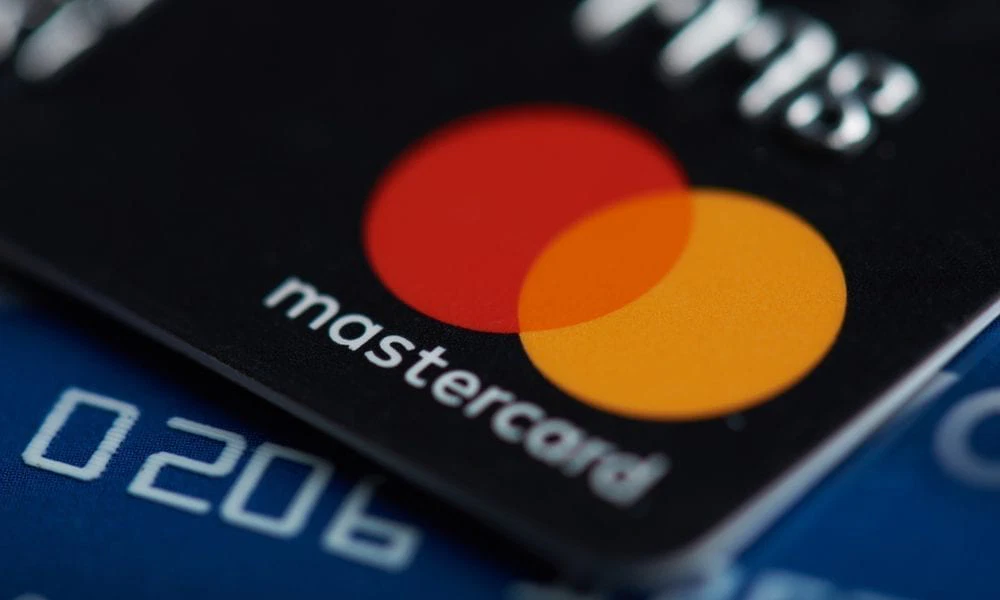
Global payments leader Mastercard has unveiled a new Crypto Partner Program aimed at strengthening collaboration across the digital asset industry. The initiative brings together more than 85 companies from the blockchain, fintech, and financial sectors as the firm deepens its push to integrate crypto technologies into the global payments ecosystem.
The program is designed as a collaborative platform where crypto-native startups, payment providers, and traditional financial institutions can work alongside Mastercard’s teams. Together, they will explore new ways to build blockchain-powered financial products and connect digital assets with established payment networks.
As the digital asset industry matures, Mastercard says the goal is to help transition blockchain technology from experimental use cases to practical financial tools used in everyday commerce.
Bridging Blockchain and Traditional Payments
Through the Crypto Partner Program, participants will collaborate with Mastercard to develop payment solutions that combine blockchain’s speed and programmability with the reliability of global financial infrastructure.
Potential areas of development include digital asset payments, blockchain-based settlement systems, and improved cross-border transaction mechanisms. By leveraging both blockchain networks and Mastercard’s payment rails, the initiative aims to create more efficient and accessible financial services.
Executives at the company emphasized that closer cooperation between traditional finance and blockchain builders is becoming essential as digital assets move toward wider adoption. The program is expected to serve as a hub for industry collaboration, enabling partners to test ideas and explore real-world applications of crypto payments.
Mastercard has been steadily increasing its footprint in the crypto sector through partnerships, pilot projects, and startup support programs focused on blockchain innovation.
Stablecoins Drive Payment Industry Momentum
The launch of the program comes as stablecoins continue gaining traction within the global financial system. According to data from DefiLlama, the total stablecoin market capitalization has surpassed $314 billion as of March 2026.
Stablecoins are widely used for trading settlements, cross-border transfers, and decentralized finance transactions. Their price stability makes them particularly attractive for payment applications compared with more volatile cryptocurrencies.
As stablecoin adoption grows, major payment providers are increasingly exploring how blockchain-based settlement systems could complement existing payment networks.
Payment Giants Expand Crypto Strategies
Mastercard’s move reflects a broader trend among major fintech and payment companies embracing blockchain infrastructure. Competitors such as Visa, PayPal, and Stripe have also launched initiatives focused on crypto payments, stablecoin settlement, and digital asset integration.
Also Read: Why Ripple’s Mastercard Deal Could Be a Game-Changer for XRP Investors
By bringing dozens of industry players together under one program, Mastercard is positioning itself at the center of collaboration between traditional finance and blockchain innovators.
Mastercard’s Crypto Partner Program signals growing momentum behind blockchain-based payment systems. As stablecoins and digital assets gain wider acceptance, partnerships between established financial networks and crypto-native companies could play a key role in shaping the next generation of global payment infrastructure.
Disclaimer: The information in this article is for general purposes only and does not constitute financial advice. The author’s views are personal and may not reflect the views of Chain Affairs. Before making any investment decisions, you should always conduct your own research. Chain Affairs is not responsible for any financial losses.

I’m your translator between the financial Old World and the new frontier of crypto. After a career demystifying economics and markets, I enjoy elucidating crypto – from investment risks to earth-shaking potential. Let’s explore!