
|
Getting your Trinity Audio player ready...
|
- CZ disputes Forbes’ $110B net worth estimate, saying the numbers don’t make logical financial sense.
- Crypto founder wealth is difficult to calculate due to volatile token holdings and private exchange valuations.
- The debate highlights flaws in billionaire rankings when applied to fast-moving crypto markets.
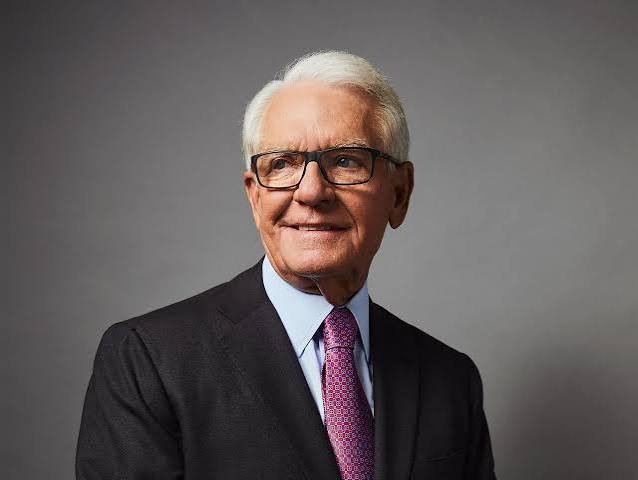
The founder of crypto exchange giant Binance, Changpeng Zhao (commonly known as CZ), has publicly challenged a recent wealth estimate published by Forbes that places his net worth at roughly $110 billion. Zhao argues the figure is unrealistic and inconsistent with the broader financial landscape, particularly when compared with other tech entrepreneurs.
The ranking places Zhao at 17th on the global billionaire list—above Bill Gates and ahead of Zhang Yiming, the founder of ByteDance. Zhao says the comparison highlights flaws in how wealth tied to crypto companies is calculated.
CZ Questions Forbes’ Crypto Wealth Calculations
Zhao’s criticism centers on what he sees as unclear valuation logic for crypto founders. According to him, the numbers used by Forbes do not align with basic financial comparisons.
He pointed out that ByteDance generates around $150 billion in annual revenue, yet Zhang Yiming’s estimated fortune is about $69 billion. In contrast, Binance’s estimated annual revenue is closer to $5 billion—yet Zhao’s wealth is reportedly valued at $110 billion.
For Zhao, that gap suggests a methodological problem. If the estimates were consistent, he argued, Binance’s founder should not be valued significantly higher than leaders of companies generating vastly larger revenues.
In fact, Zhao said that if the $110 billion figure were accurate, it would likely push him further down the billionaire rankings rather than higher—another sign, he claims, that the calculation does not add up.
Crypto Market Volatility Complicates Wealth Estimates
The debate also highlights the difficulty of estimating wealth in the crypto sector. Unlike traditional tech firms, a large portion of crypto founder wealth often depends on exchange equity and digital asset holdings.
Those assets can fluctuate dramatically with market conditions. In 2026, cryptocurrency prices have fallen by more than 50% from previous highs, making upward revisions to crypto founder wealth particularly difficult to justify.
Because of this volatility, billionaire rankings for crypto entrepreneurs often rely on assumptions about token ownership, private company valuations, and market liquidity—factors that can change quickly.
Cultural Claims Also Rejected
Zhao also pushed back against speculation from media outlet BlockTempo that his denial was rooted in cultural norms around wealth disclosure. The outlet suggested that some Chinese entrepreneurs tend to downplay personal fortunes.
Zhao dismissed that explanation, emphasizing that his objection is purely about the numbers and their internal logic.
Also Read: Binance Reveals $752 Million Asset Seizure in Explosive Response to U.S. Senators
The dispute reflects a broader challenge for financial rankings: valuing wealth in fast-moving industries like cryptocurrency. As digital assets and exchange valuations fluctuate, calculating the real net worth of crypto founders remains complex.
For Zhao, the issue is not about appearing richer or poorer—it is about accuracy. And as the crypto industry matures, the debate over how to measure its leaders’ wealth is likely to continue.
Disclaimer: The information in this article is for general purposes only and does not constitute financial advice. The author’s views are personal and may not reflect the views of Chain Affairs. Before making any investment decisions, you should always conduct your own research. Chain Affairs is not responsible for any financial losses.

I’m your translator between the financial Old World and the new frontier of crypto. After a career demystifying economics and markets, I enjoy elucidating crypto – from investment risks to earth-shaking potential. Let’s explore!