|
Getting your Trinity Audio player ready...
|
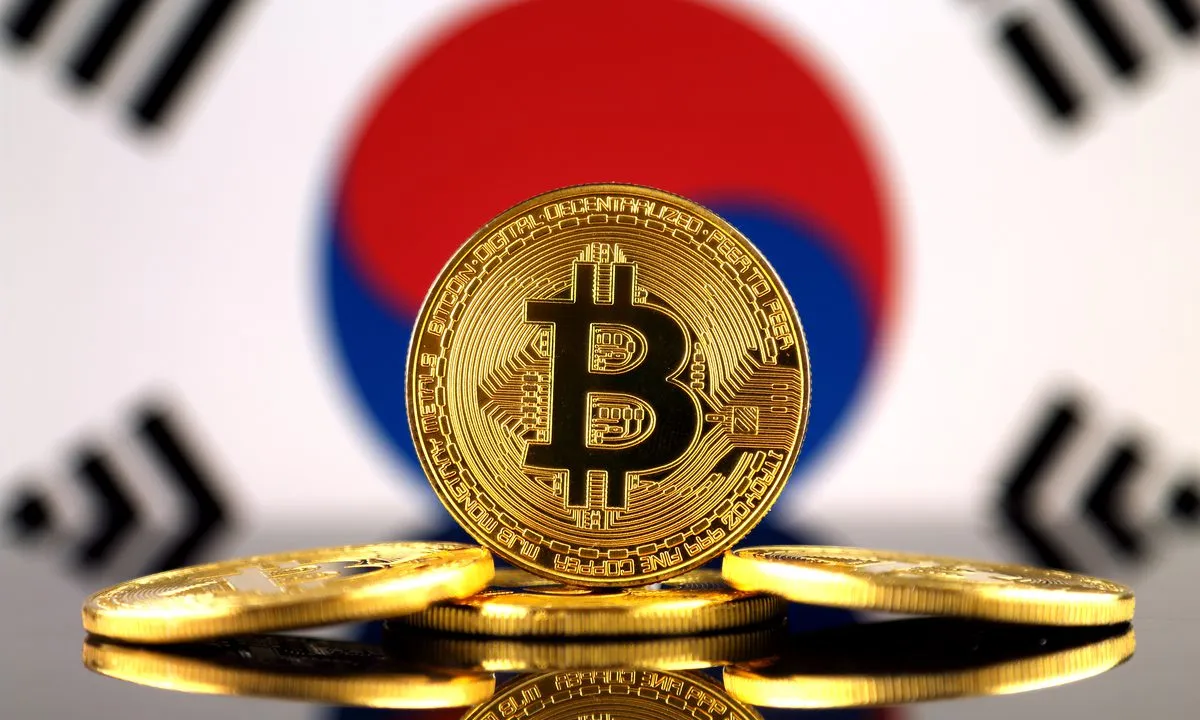
- KOSPI plunged 7.24%, marking its worst session in 19 months amid oil supply fears.
- Bitcoin dropped near $63K before rebounding, showing rapid crypto market reactions.
- Ripple integrated with DTCC clearing infrastructure, signaling deeper institutional alignment.
Global markets were jolted after joint U.S. and Israeli strikes on Iran triggered a sharp surge in oil prices and a wave of risk-off selling. South Korea’s benchmark index, the KOSPI, plunged 7.24% in a single session — its steepest drop in 19 months — wiping out roughly ₩390 trillion ($270 billion) in market value.
The sell-off rippled across continents. Meanwhile, crypto markets whipsawed, with Bitcoin briefly sliding toward $63,000 before rebounding near $70,000. Against this volatile backdrop, Ripple made a quieter but potentially structural move by integrating its prime brokerage arm with Wall Street’s clearing backbone.
KOSPI Hits 19-Month Low as Oil Fears Intensify
Trading resumed in Seoul after a public holiday, leaving investors little room to hedge early. Institutional investors led heavy selling as crude prices jumped nearly 13% to around $82 per barrel. Iran’s warning that it could disrupt traffic through the Strait of Hormuz — a key oil corridor — amplified supply concerns.
South Korea imports roughly 2.76 million barrels of crude daily, much of it routed through the Gulf. That exposure magnified the shock. Other global benchmarks — including the S&P 500, FTSE 100, Nikkei 225, Hang Seng Index, and Nifty 50 — fell between 1% and 3%, underscoring how tightly linked markets are during geopolitical stress.
Bitcoin Volatile; Iran’s Crypto Volume Slumps
Crypto initially mirrored the panic. Bitcoin dipped sharply before recovering to the mid-$60,000 range. Major altcoins saw 5–9% pullbacks. Inside Iran, crypto trading activity reportedly collapsed by nearly 80% within days of the strikes, with millions in digital assets moved off local platforms.
The swift Bitcoin rebound highlighted crypto’s reflexive nature: fast sell-offs, fast recoveries — especially when macro uncertainty collides with liquidity.
Ripple Connects to Wall Street’s Clearing Engine
Amid the turbulence, Ripple’s prime brokerage arm — formerly Hidden Road — was added to the clearing directory of the Depository Trust & Clearing Corporation. The move links Ripple infrastructure directly to legacy settlement rails that process quadrillions in securities transactions annually.
Also Read: $4.8M Crypto Blunder: South Korea Tax Agency Accidentally Leaks Seed Phrase
Ripple CTO Emeritus David Schwartz described the development as “important.” The integration suggests groundwork for channeling institutional post-trade flows toward blockchain infrastructure, potentially touching the XRP Ledger in the future.
It’s not a headline-grabbing token launch. It’s plumbing — and plumbing shapes markets.
Markets remain on edge as geopolitical tensions simmer. South Korea’s sharp equity drop reflects oil dependency risks, while Bitcoin’s volatility underscores crypto’s sensitivity to global shocks. At the same time, Ripple’s infrastructure play hints at a longer-term shift: the gradual merging of traditional finance rails with blockchain systems. Price moves grab attention — but structural integrations may matter more over time.
Disclaimer: The information in this article is for general purposes only and does not constitute financial advice. The author’s views are personal and may not reflect the views of Chain Affairs. Before making any investment decisions, you should always conduct your own research. Chain Affairs is not responsible for any financial losses.

I’m your translator between the financial Old World and the new frontier of crypto. After a career demystifying economics and markets, I enjoy elucidating crypto – from investment risks to earth-shaking potential. Let’s explore!