- Nasdaq filed with the SEC to introduce binary options on the Nasdaq-100.
- Traditional exchanges are competing with crypto platforms in prediction markets.
- The global prediction market industry is projected to exceed $113 billion by 2035.
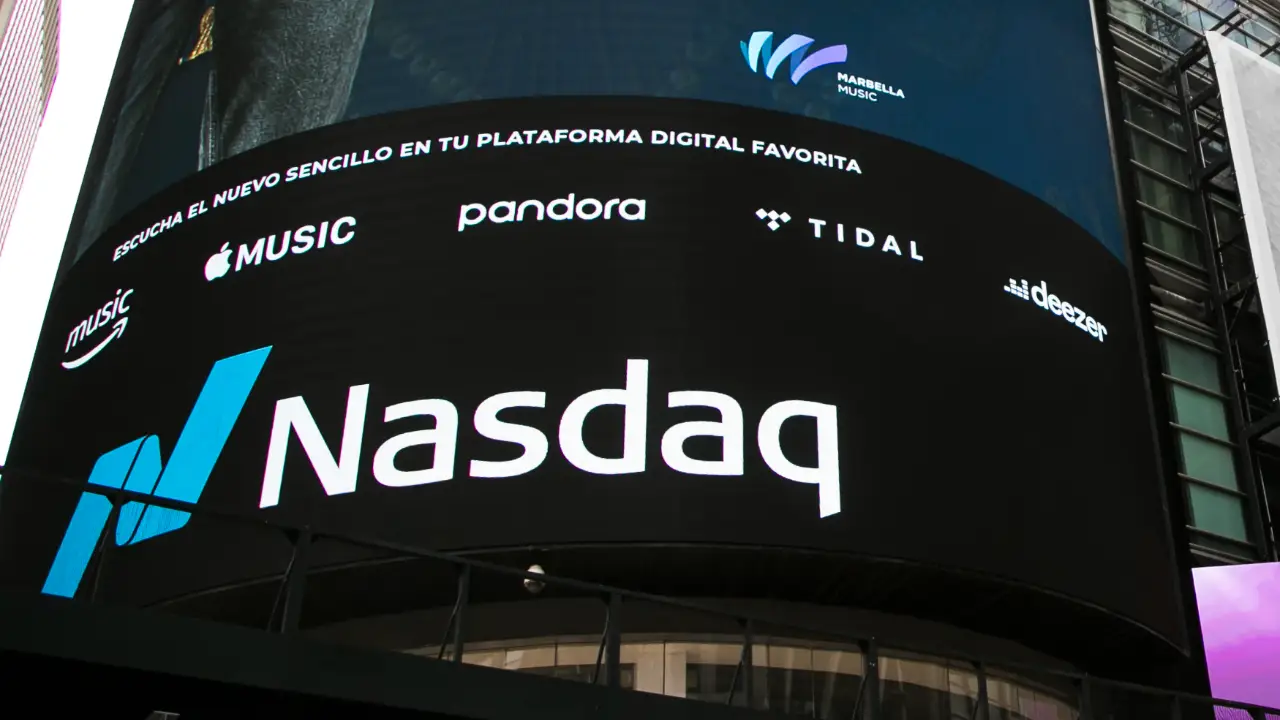
Nasdaq is stepping deeper into the fast-growing prediction markets space. The exchange has filed with the U.S. Securities and Exchange Commission (SEC) to introduce binary options tied to its flagship Nasdaq-100 index, marking a significant shift for a traditional Wall Street operator.
The move signals how mainstream exchanges are adapting to surging interest in event-based trading — a market once dominated by niche platforms and crypto-native players.
What Nasdaq Is Proposing
According to the filing, Nasdaq plans to launch binary options contracts on both the Nasdaq-100 and the Nasdaq-100 Micro Index. These contracts would allow traders to place yes-or-no bets on specific outcomes related to the index.
The structure is simple: contracts would be priced between $0.01 and $1. If the predicted event occurs, the contract pays out the full dollar; if not, it expires worthless. This mirrors the mechanics of prediction markets while operating within the regulated securities framework overseen by the SEC.
Binary options fall under the SEC’s authority, distinguishing them from other event-based contracts that may be supervised by the Commodity Futures Trading Commission (CFTC). Nasdaq’s proposal reflects a broader push by established exchanges to bring prediction-style products into regulated capital markets.
Traditional Exchanges Race to Compete
Nasdaq is not alone. Cboe Global Markets is preparing to roll out its own event contracts focused on business and economic events. Meanwhile, CME Group — regulated by the CFTC — has been expanding its retail-focused offerings.
The CFTC’s recent “Future-Proof” initiative aims to modernize oversight of digital assets and prediction markets, highlighting how regulators are responding to rapid innovation in this space.
Platforms like Kalshi and Polymarket have fueled the recent surge in event-driven trading, particularly around political and macroeconomic events.
Crypto Platforms Accelerate the Trend
Crypto firms are also leaning into the opportunity. Coinbase introduced prediction-style contracts on its platform late last year, expanding beyond digital asset trading. MetaMask integrated access to Polymarket through its mobile app, lowering the barrier for retail users.
Elsewhere, Axiom launched a prediction market on the XRP Ledger, allowing XRP and RLUSD holders to participate in real-world event markets.
The broader prediction market industry is expanding rapidly. Valued at roughly $17.5 billion in 2025, it is projected to surpass $113 billion by 2035, reflecting growing demand for event-based financial products.
Also Read: Bitcoin vs Nasdaq: 3 Warning Signs Markets May Be Ignoring Right Now
Nasdaq’s filing underscores a clear trend: prediction markets are moving from the crypto fringe to the financial mainstream. By packaging binary options within a regulated framework, traditional exchanges are seeking to capture retail and institutional demand while maintaining compliance.
If approved, Nasdaq’s new products could further legitimize prediction-style trading — and accelerate competition between Wall Street and crypto-native platforms.
Disclaimer: The information in this article is for general purposes only and does not constitute financial advice. The author’s views are personal and may not reflect the views of Chain Affairs. Before making any investment decisions, you should always conduct your own research. Chain Affairs is not responsible for any financial losses.

I’m a crypto enthusiast with a background in finance. I’m fascinated by the potential of crypto to disrupt traditional financial systems. I’m always on the lookout for new and innovative projects in the space. I believe that crypto has the potential to create a more equitable and inclusive financial system.