|
Getting your Trinity Audio player ready...
|
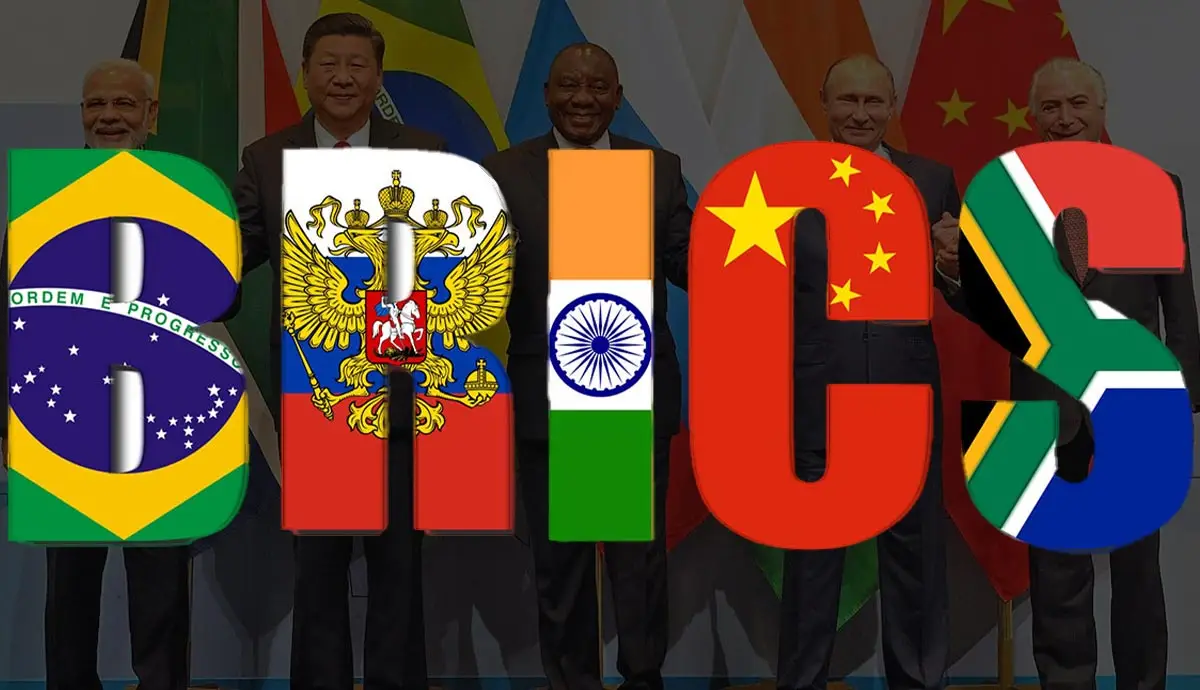
Speculation around BRICS challenging the U.S. dollar resurfaced this week after comments from Brazil’s Vice President Geraldo Alckmin. While acknowledging growing frustration among emerging economies, Alckmin made clear that the BRICS bloc is not trying to overthrow the dollar’s dominance in global trade.
Instead, he framed recent discussions as a cost-driven and defensive move — not a geopolitical confrontation.
BRICS Not Targeting the Dollar, Brazil Says
Alckmin emphasized that BRICS has no formal plan to replace the U.S. dollar in trade among member states. The alliance, which now includes 10 countries, is focused on giving developing economies more flexibility inside a global financial system still shaped largely by Western institutions.
According to Alckmin, the goal is to reduce transaction costs and exposure to external shocks, not to dismantle the dollar-based system. He stressed that the greenback remains central to global trade and finance, a reality BRICS members acknowledge.
Why Payment Alternatives Are Being Discussed
The Brazilian vice president pointed to rising economic uncertainty and shifting U.S. policies as reasons emerging economies are exploring new settlement options. Rather than relying exclusively on the dollar, BRICS members are discussing local-currency settlements and alternative payment mechanisms to lower costs and reduce vulnerabilities.
Also Read: BRICS Grain Exchange Set for 2026 Pilot — Russia Challenges CME Global Dominance
These talks, Alckmin noted, are about risk management. Sanctions, trade tensions, and policy unpredictability have pushed countries to seek safeguards — not outright separation from the existing system.
A Pragmatic, Not Confrontational Strategy
Brazil’s position reflects a balancing act. While strengthening ties with BRICS partners such as India and China, Brasília continues to maintain working relations with Washington. Alckmin described this approach as pragmatic, not ideological.
That dual strategy underscores a key point: BRICS cooperation does not require hostility toward the U.S. or its currency. It is about diversification, not replacement.
No BRICS Currency on the Table — For Now
Despite frequent headlines, no BRICS currency materialized in 2025. There is no concrete framework, timeline, or agreement that would challenge the dollar’s role as the world’s primary trade and reserve currency.
For now, the dollar remains firmly entrenched. BRICS’ efforts are better understood as incremental adjustments aimed at resilience, not a wholesale shift in the global monetary order.
Disclaimer: The information in this article is for general purposes only and does not constitute financial advice. The author’s views are personal and may not reflect the views of Chain Affairs. Before making any investment decisions, you should always conduct your own research. Chain Affairs is not responsible for any financial losses.

I’m a crypto enthusiast with a background in finance. I’m fascinated by the potential of crypto to disrupt traditional financial systems. I’m always on the lookout for new and innovative projects in the space. I believe that crypto has the potential to create a more equitable and inclusive financial system.