|
Getting your Trinity Audio player ready...
|
Key Takeaways:
- DePIN networks are already delivering over $250M in real-world revenue.
- Lack of regulation threatens contributors, trust, and future growth.
- Congress must create clear DePIN policies following the GENIUS Act.
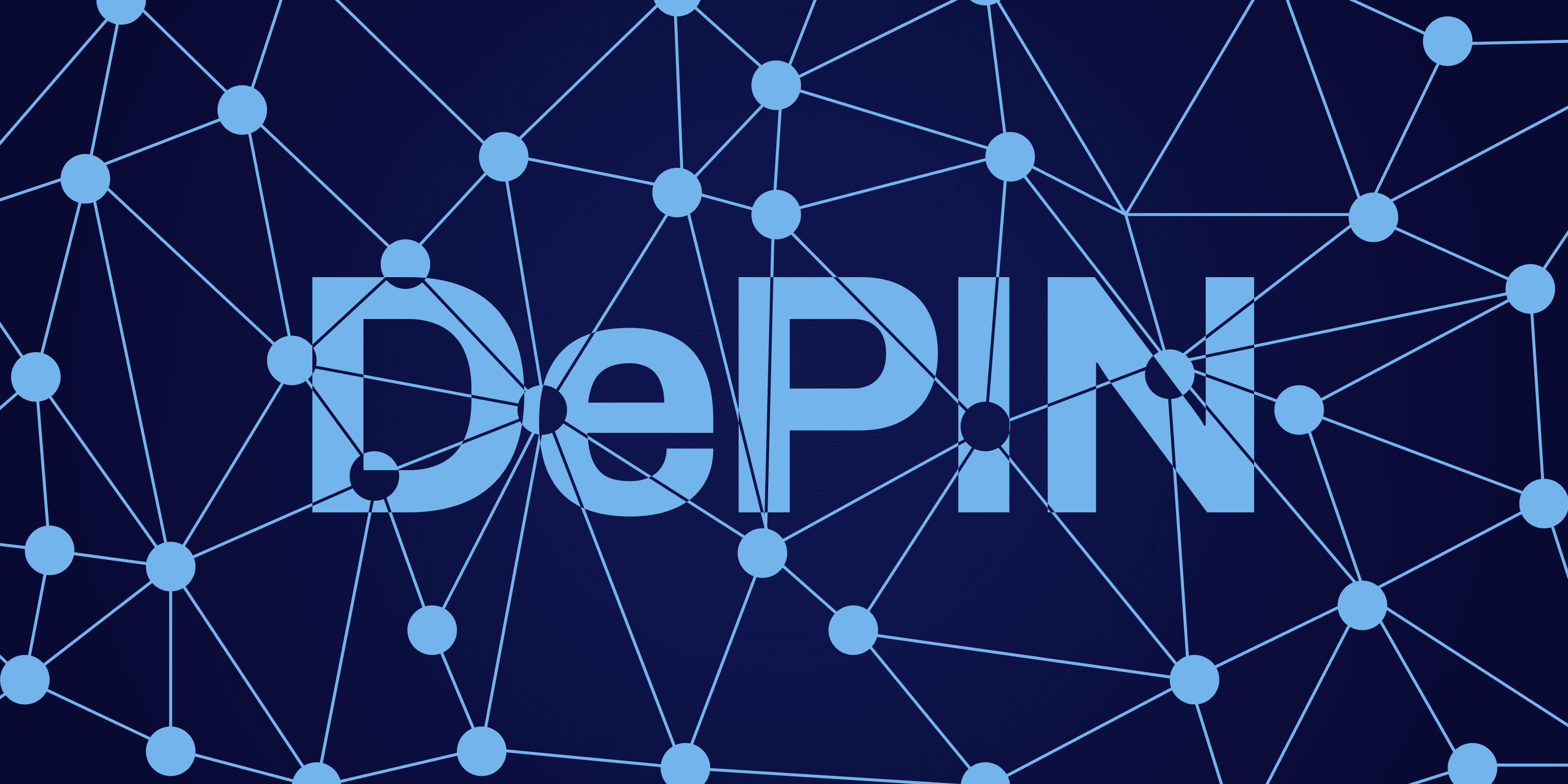
With the passage of the GENIUS Act, the U.S. has finally laid foundational rules for crypto—specifically around stablecoins. But while this marks progress, it’s only the beginning. Decentralized Physical Infrastructure Networks (DePIN) are rapidly gaining traction and generating significant real-world value. Yet, they remain unregulated, leaving stakeholders in a risky legal gray area.
DePIN Is Already Delivering Real-World Value
DePIN projects are not theoretical or speculative. Networks like Glow and Geodnet are generating millions in recurring revenue by incentivizing users to contribute physical hardware—like antennas and sensors—for services such as decentralized storage, connectivity, and mapping.
The broader DePIN ecosystem is now generating over $250 million in revenue annually. These are working systems, not white papers.
Legal Ambiguity Threatens Growth and Trust
Despite their success, DePIN protocols lack the legal protections that the GENIUS Act affords stablecoins. There’s no clear guidance on data collection, privacy, ownership rights, or token-based compensation—even though users often invest in hardware up front and rely on transparent rewards.
Without defined standards, contributors and investors face unnecessary risks, and public trust could erode.
DePIN Doesn’t Fit in Existing Regulatory Buckets
DePIN lives at the intersection of blockchain, hardware, and real-world services. These systems don’t align neatly with telecom, finance, or traditional tech laws. That makes existing regulatory frameworks inadequate.
Clear definitions, privacy protocols, and contributor protections are urgently needed. Likewise, governance models must become more transparent to ensure accountability.
Also Read: DePIN Summit Africa 2025 Announced for July 2nd in Mombasa and July 4-5th in Zanzibar
By acting now, U.S. lawmakers can foster DePIN’s potential to expand infrastructure, empower communities, and build smarter, decentralized systems. The GENIUS Act proved that regulation and innovation can coexist. DePIN deserves a similarly thoughtful approach—before the momentum stalls or trust falters.
DePIN represents a unique opportunity to reshape infrastructure through community-driven ownership. But without legal clarity, the risks may outweigh the rewards. Congress must act now to bring DePIN into the regulatory conversation and solidify America’s leadership in decentralized innovation.
Disclaimer: The information in this article is for general purposes only and does not constitute financial advice. The author’s views are personal and may not reflect the views of Chain Affairs. Before making any investment decisions, you should always conduct your own research. Chain Affairs is not responsible for any financial losses

I’m your translator between the financial Old World and the new frontier of crypto. After a career demystifying economics and markets, I enjoy elucidating crypto – from investment risks to earth-shaking potential. Let’s explore!