|
Getting your Trinity Audio player ready...
|
Key Takeaways:
- The $10M crypto seizure underscores how digital assets are becoming integral to global drug operations.
- U.S. law enforcement has confiscated record quantities of fentanyl, meth, and cocaine in 2025.
- Criminal groups are leveraging decentralized blockchain tools, complicating global anti-money laundering efforts.
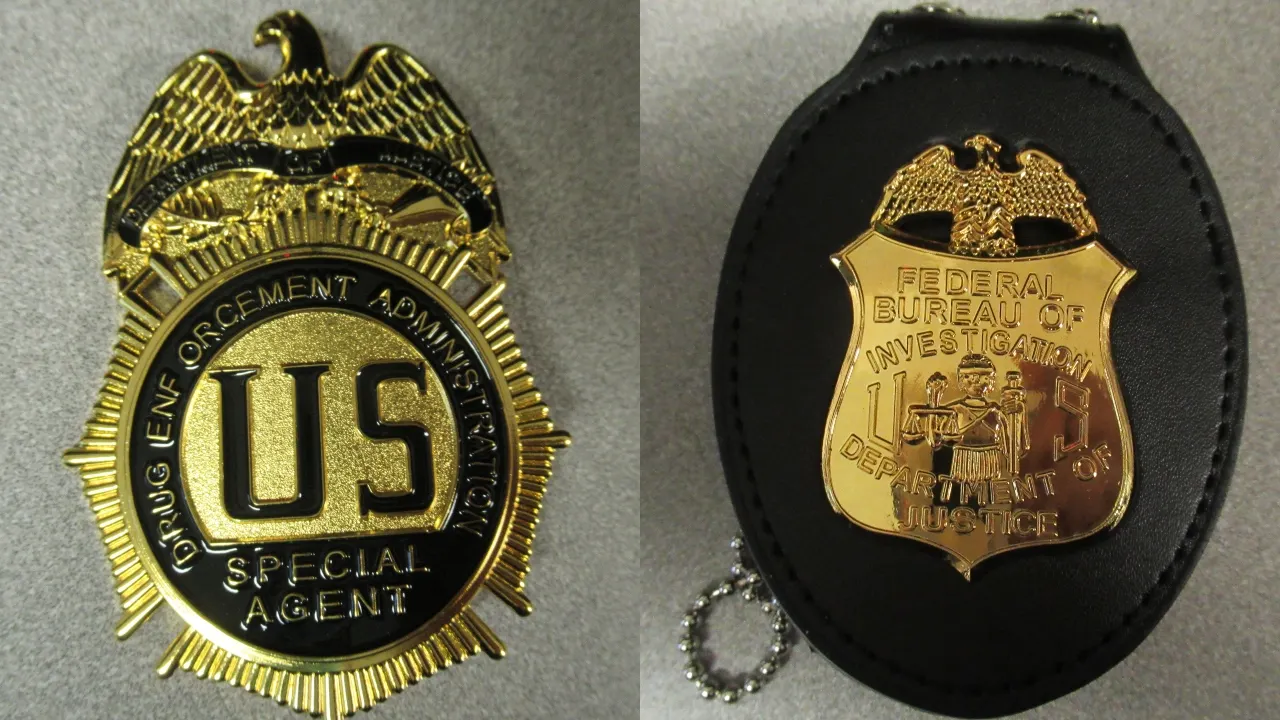
In a major blow to international drug trafficking, the U.S. Drug Enforcement Administration (DEA), in coordination with the FBI, has confiscated over $10 million in cryptocurrency tied to the notorious Sinaloa cartel. The bust, carried out in Miami, Florida, forms part of a sweeping 2025 nationwide operation targeting the illicit drug trade and its financial networks.
“DEA is hitting the cartels where it hurts — with arrests, with seizures, and with relentless pressure,” said DEA Acting Administrator Robert Murphy.
Record Drug Seizures Across the U.S. in 2025
According to the Department of Justice (DOJ), the crackdown has already yielded historic results. Since January 2025, authorities have seized:
- 44 million fentanyl pills
- 4,500 pounds of fentanyl powder
- 65,000 pounds of methamphetamine
- Over 201,500 pounds of cocaine
Notable arrests and seizures have taken place across California, Texas, Georgia, and South Carolina. In Kern County, CA, over 240 pounds of crystal meth and 151 gallons of liquid meth were recovered. Texas agents intercepted 1,700 pounds of meth valued at $15 million.

Crypto’s Expanding Role in Drug Money Laundering
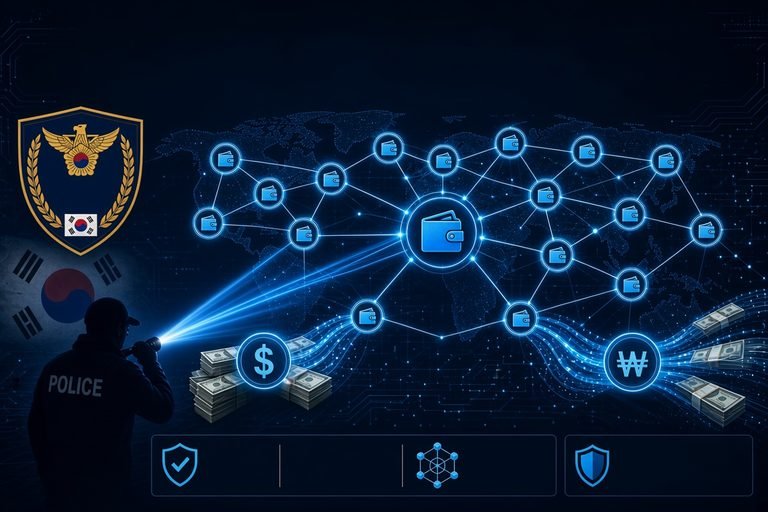
The $10 million crypto seizure highlights the growing role of digital assets in cartel operations. Blockchain analytics firm Elliptic reports that high-risk crypto transactions via crosschain protocols surged to $21.8 billion in 2025 — tripling from 2023. North Korean actors are behind roughly 12% of this laundering activity.

Cartels and cybercriminals are increasingly using crosschain swaps to obscure transaction trails, exploiting new blockchains and decentralized tools to evade detection.
Also Read: Crypto Scam Crisis: Americans Lost $9.3 Billion in 2024, FBI Reveals
Ongoing Legal Battles Against Cartel Leaders
The crackdown coincides with the prosecution of cartel figures such as Ovidio Guzman Lopez — son of Joaquín “El Chapo” Guzmán — who recently pleaded guilty to drug trafficking charges in Chicago.
Attorney General Pamela Bondi commended DEA efforts: “Our DEA agents are doing historic work to keep our communities safe from deadly drugs like fentanyl and dismantle the cartels selling them.”
Disclaimer: The information in this article is for general purposes only and does not constitute financial advice. The author’s views are personal and may not reflect the views of Chain Affairs. Before making any investment decisions, you should always conduct your own research. Chain Affairs is not responsible for any financial losses.

I’m your translator between the financial Old World and the new frontier of crypto. After a career demystifying economics and markets, I enjoy elucidating crypto – from investment risks to earth-shaking potential. Let’s explore!