
|
Getting your Trinity Audio player ready...
|
Key Takeaways:
- Deutsche Bank will launch a crypto custody platform in 2026, developed in collaboration with Bitpanda and Taurus.
- Germany’s top banks are rapidly adopting crypto services, with Sparkassen, DZ Bank, and LBBW leading parallel initiatives.
- Global political and regulatory shifts are helping reshape banking’s approach to digital assets, especially in the U.S. and Europe.
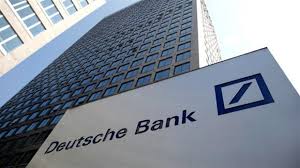
German banking giant Deutsche Bank is making a major leap into digital assets, planning to roll out a comprehensive crypto custody platform by 2026. The initiative will be developed in partnership with Bitpanda’s technology arm and Swiss-based digital asset infrastructure provider Taurus SA, according to sources cited by Bloomberg on Tuesday.
This move solidifies Deutsche Bank’s ambitions in the crypto space, following earlier investments and public declarations of interest in stablecoins and tokenized financial instruments.
Strategic Collaborations with Bitpanda and Taurus
Deutsche Bank’s crypto custody service will be underpinned by Bitpanda’s infrastructure and supported by its ongoing partnership with Taurus. Taurus, which raised $65 million in a funding round backed by Deutsche Bank last year, remains a key partner as the bank develops scalable solutions for institutional-grade crypto services.
🚨BREAKING🚨
— Quinten | 048.eth (@QuintenFrancois) July 1, 2025
Germany's largest bank, Deutsche Bank, to launch crypto custody services in 2026 pic.twitter.com/Bx0UbFcJMF
The custody platform is expected to support various digital asset classes, including Bitcoin, Ether, stablecoins, and tokenized deposits—potentially including a native Deutsche Bank token in the future.
German Banks Double Down on Crypto Integration
Deutsche Bank is not alone in its crypto push. Other major German financial institutions are accelerating digital asset adoption:
- Sparkassen-Finanzgruppe, Germany’s largest banking group, plans to roll out crypto trading for its 50 million customers by mid-2026 via its mobile app.
- DZ Bank, the nation’s second-largest lender, has teamed up with Boerse Stuttgart Digital to trial crypto trading and custody services across its cooperative network.
- Landesbank Baden-Württemberg partnered with Bitpanda in 2024 to launch institutional crypto custody services.
These moves reflect a broader national trend as regulatory clarity under MiCA (Markets in Crypto-Assets Regulation) and evolving international policy catalyze crypto adoption among traditional financial institutions.
U.S. and Global Shifts Reinforce Crypto’s Institutional Rise
Deutsche Bank’s crypto strategy also comes amid a global wave of policy changes. With Donald Trump’s reelection, U.S. regulators are showing increased support for digital assets. Eric Trump’s recent remarks underscored the urgency for banks to embrace crypto or risk irrelevance.
Simultaneously, major U.S. banks are revising their political and climate-based lending policies under pressure from Republican-led states, signaling a wider recalibration of priorities. These shifts may create more favorable conditions for U.S. institutions to reenter or expand crypto-related services.
Deutsche Bank’s upcoming crypto custody service marks a significant step in legitimizing digital assets within the traditional banking sector. Backed by Bitpanda and Taurus, and arriving in the wake of a regulatory and political pivot, the move highlights how legacy institutions are adapting to the realities of blockchain-based finance.
Disclaimer: The information in this article is for general purposes only and does not constitute financial advice. The author’s views are personal and may not reflect the views of Chain Affairs. Before making any investment decisions, you should always conduct your own research. Chain Affairs is not responsible for any financial losses.

I’m a crypto enthusiast with a background in finance. I’m fascinated by the potential of crypto to disrupt traditional financial systems. I’m always on the lookout for new and innovative projects in the space. I believe that crypto has the potential to create a more equitable and inclusive financial system.