|
Getting your Trinity Audio player ready...
|
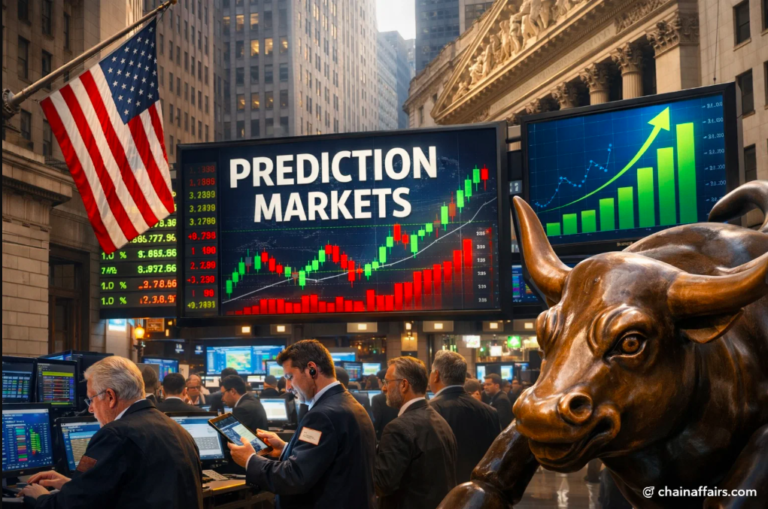
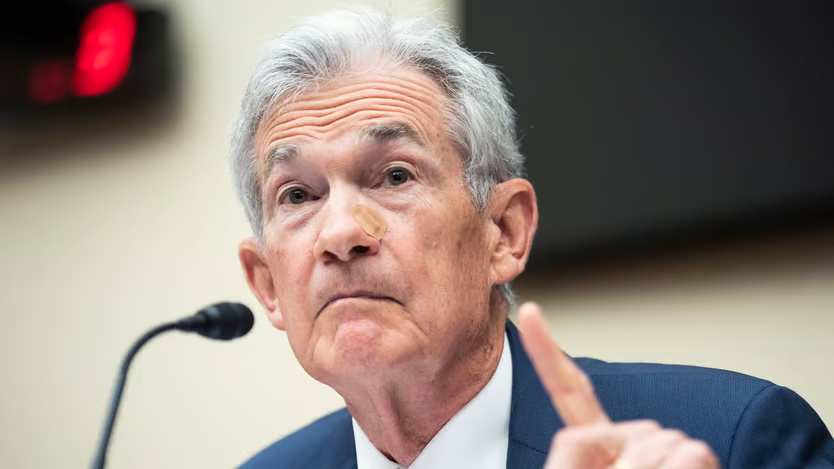
Wall Street traders are riding high on the waves of speculation, and Jerome Powell’s recent half-point rate cut has only intensified the party atmosphere. As the Federal Reserve takes a more accommodative stance, the markets are abuzz with optimism, but lurking beneath this euphoria is a pressing concern: valuations.
The Fed’s decision to slash rates has been a game-changer for traders seeking new opportunities. Lower borrowing costs make it easier for companies to invest and expand, which in turn bolsters economic growth. The immediate reaction from Wall Street has been one of unrestrained enthusiasm, with many indices climbing to new heights. However, as traders pop the champagne, they must confront a sobering reality: the very valuations that have driven these gains may be stretched to their limits.
Historically, rate cuts have often fueled market rallies, as investors flock to equities in search of higher returns than what bonds can offer. This cycle appears to be repeating itself, with speculative trading becoming bolder by the week. But as valuations soar, the question becomes: how much further can stocks climb before the fundamentals catch up?
Market analysts are increasingly concerned about the sustainability of these high valuations. The price-to-earnings (P/E) ratios for many companies are at historic highs, leading to warnings about a potential correction. While a lower interest rate environment can justify higher valuations, excessive optimism can lead to irrational exuberance—a phenomenon famously predicted by economist Robert Shiller.
As the celebratory spirit swells, investors must tread carefully. The disconnect between lofty stock prices and underlying earnings growth poses a risk. If corporate earnings fail to keep pace, we could see a sharp reversal as traders scramble to recalibrate their expectations.
Moreover, the broader economic landscape adds another layer of complexity. The Fed’s actions are often perceived as a response to economic weaknesses, and if the fundamentals begin to falter, the optimism may quickly evaporate. Inflationary pressures, supply chain disruptions, and geopolitical tensions could all serve as headwinds, complicating the rosy outlook painted by the Fed.
As Wall Street revels in the aftermath of the Fed’s rate cut, it’s crucial for investors to remain vigilant. While the current environment favors risk-taking, the rising valuations could signal a brewing storm. The challenge lies not only in navigating the speculative fervor but also in understanding the potential implications of a market correction.
In conclusion, while Jerome Powell’s rate cut has undoubtedly injected a fresh dose of energy into the markets, the looming question of valuation remains. Investors must balance their enthusiasm with caution, keeping a close eye on the economic indicators that could dictate the next chapter of this market saga. The road ahead may be exhilarating, but it’s also fraught with challenges that demand a discerning eye.
Disclaimer: The information in this article is for general purposes only and does not constitute financial advice. The author’s views are personal and may not reflect the views of Chain Affairs. Before making any investment decisions, you should always conduct your own research. Chain Affairs is not responsible for any financial losses.