
|
Getting your Trinity Audio player ready...
|
- Investors claim JPMorgan processed $253M in transactions tied to an alleged $328M crypto Ponzi scheme.
- Goliath Ventures CEO Christopher Delgado faces wire fraud and money laundering charges.
- The lawsuit could shape how banks monitor and manage crypto-related financial activity.
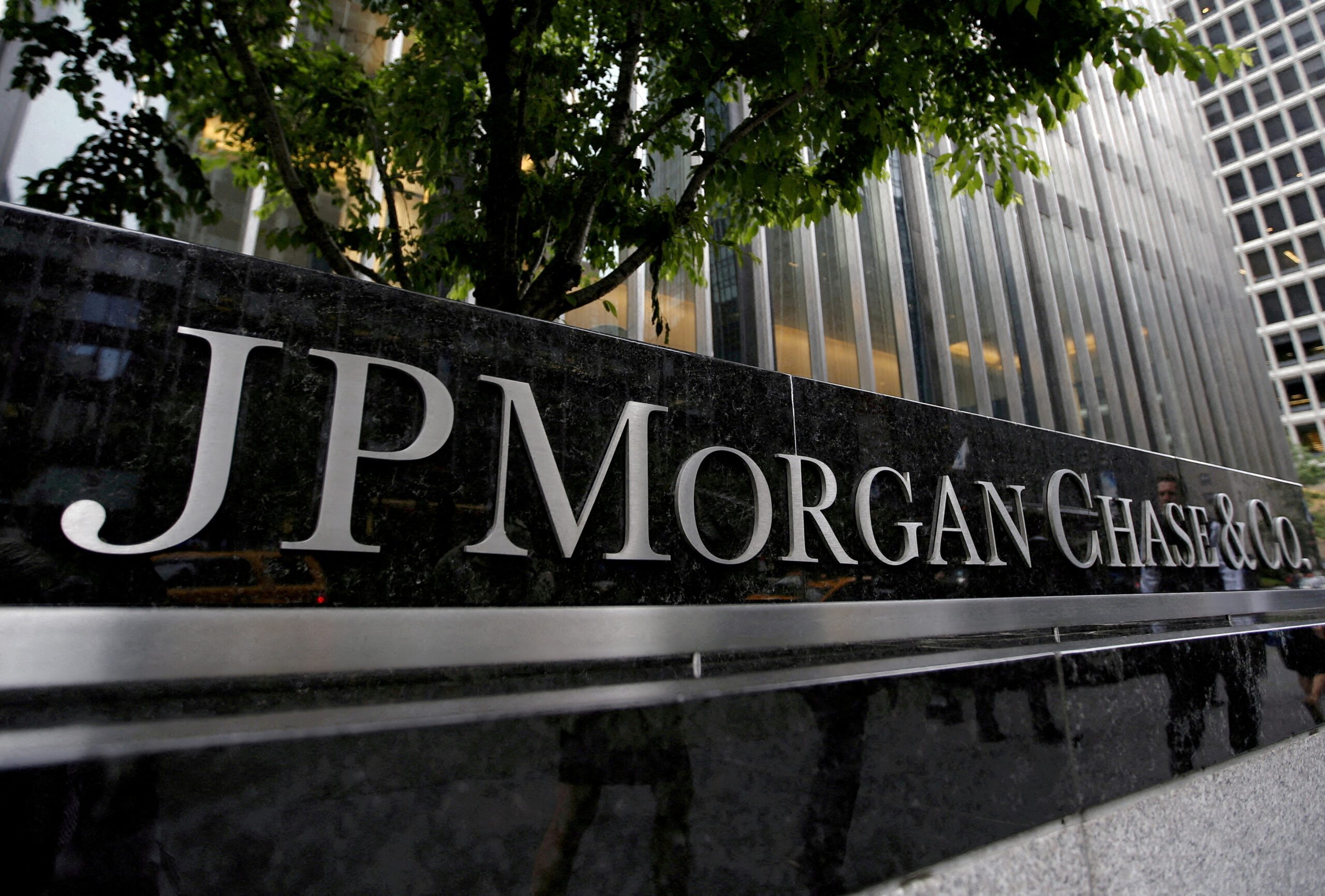
A major U.S. bank is now at the center of a growing legal battle tied to an alleged $328 million cryptocurrency fraud. A newly filed class action lawsuit claims that JPMorgan Chase enabled a large-scale Ponzi scheme operated by Florida-based Goliath Ventures Inc., raising questions about how traditional financial institutions monitor crypto-related transactions.
Filed on March 10, 2026, in the U.S. District Court for the Northern District of California, the lawsuit seeks to represent thousands of investors who say they lost funds after trusting the firm’s promises of steady returns from cryptocurrency investment pools.
Investors Claim Bank Processed Millions in Suspicious Transactions
The case, Steele v. JP Morgan Chase Bank, N.A., was brought by investor Robby Alan Steele. According to the complaint, the bank processed roughly $253 million in deposits and transfers tied to accounts connected with Goliath Ventures between January 2023 and January 2026.
The lawsuit argues that these transactions showed clear warning signs. Plaintiffs claim the bank should have noticed unusually large and rapid money movements flowing through accounts linked to the investment operation.
Court filings say funds from Goliath accounts were often routed to cryptocurrency platforms such as Coinbase before supposedly entering liquidity pools and encrypted blockchain ledgers. Investors were told the strategy would generate consistent monthly gains of around 4%, or roughly 48% annually.
However, prosecutors say the operation produced no genuine profits.
Authorities Describe Operation as Classic Ponzi Scheme
Federal investigators allege the scheme followed a familiar pattern: new investor funds were used to pay earlier participants, creating the illusion of profitable returns.
Authorities say the operation was run by Christopher Alexander Delgado, a 34-year-old executive from Apopka, Florida. Delgado was arrested on February 24, 2026, and charged with wire fraud and money laundering.
Prosecutors claim he diverted millions from investors to purchase luxury properties in Florida communities including Winter Park, Sanford, and Windermere.
Delgado has posted a $1 million bond and remains free pending trial. If convicted, he could face a prison sentence of up to 30 years. A federal judge has also ordered the freezing of his assets while a court-appointed receiver manages the company’s remaining holdings.
Legal Pressure Expands Beyond the Crypto Firm
The lawsuit against JPMorgan argues that the bank’s services were essential to the fraud’s scale. Plaintiffs claim the institution failed to act on suspicious activity despite strict anti–money laundering requirements.
Meanwhile, a separate class action filed in Florida targets the law firm Alston & Bird LLP, alleging it helped draft agreements designed to avoid securities law oversight.
Also Read: JPMorgan Forecasts Massive Crypto Shift—Is Your Portfolio Ready?
As of March 12, 2026, JPMorgan has not issued a detailed public response. Legal experts note that large financial institutions typically seek early dismissal in such cases, meaning the litigation could stretch on for years.
The Goliath Ventures case highlights the increasing legal scrutiny surrounding cryptocurrency investment schemes and the financial institutions that process their transactions. As regulators and investors push for accountability, the outcome of the lawsuit against JPMorgan could influence how banks manage crypto-related activity and detect potential fraud in the future.
Disclaimer: The information in this article is for general purposes only and does not constitute financial advice. The author’s views are personal and may not reflect the views of Chain Affairs. Before making any investment decisions, you should always conduct your own research. Chain Affairs is not responsible for any financial losses.

I’m your translator between the financial Old World and the new frontier of crypto. After a career demystifying economics and markets, I enjoy elucidating crypto – from investment risks to earth-shaking potential. Let’s explore!